


University of Barcelona
Institutional description
The University of Barcelona (UB) was founded in 1450. Today it has over 60,000 students and 6,479 members of teaching and research staff. A research-intensive university, UB offers 74 bachelor’s degrees, a wide range of master’s and doctoral programmes, and continuing education courses. UB is consistently one of the leading universities in Spain in major international rankings (e.g., QS). It is the largest of Barcelona’s six public universities and manages around 150 European research and innovation projects per year. Since 2010, UB has been a member of the League of European Research Universities (LERU). In 2013, UB signed the European Charter for Researchers and the Code of Conduct for the Recruitment of Researchers. https://web.ub.edu/en/web/dades-indicadors/ubfigures
Website
Team members
Principal Investigator
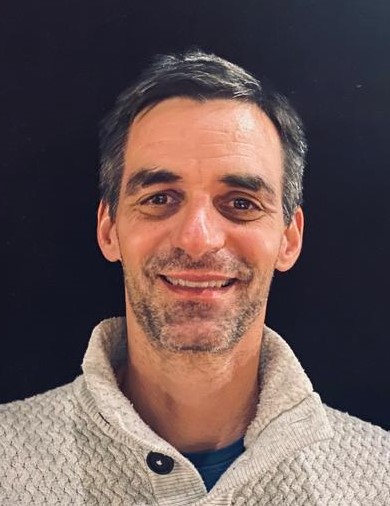
Ábel Bereményi
Associate Professor
Ábel Beremenyi holds a PhD in Social Anthropology, with research focusing on social inequalities affecting children and youth from Roma/Gypsy and other ethnic minority backgrounds, particularly in education and the labour market, including higher education–driven social mobility, in Spain, Colombia and Hungary.
Researchers
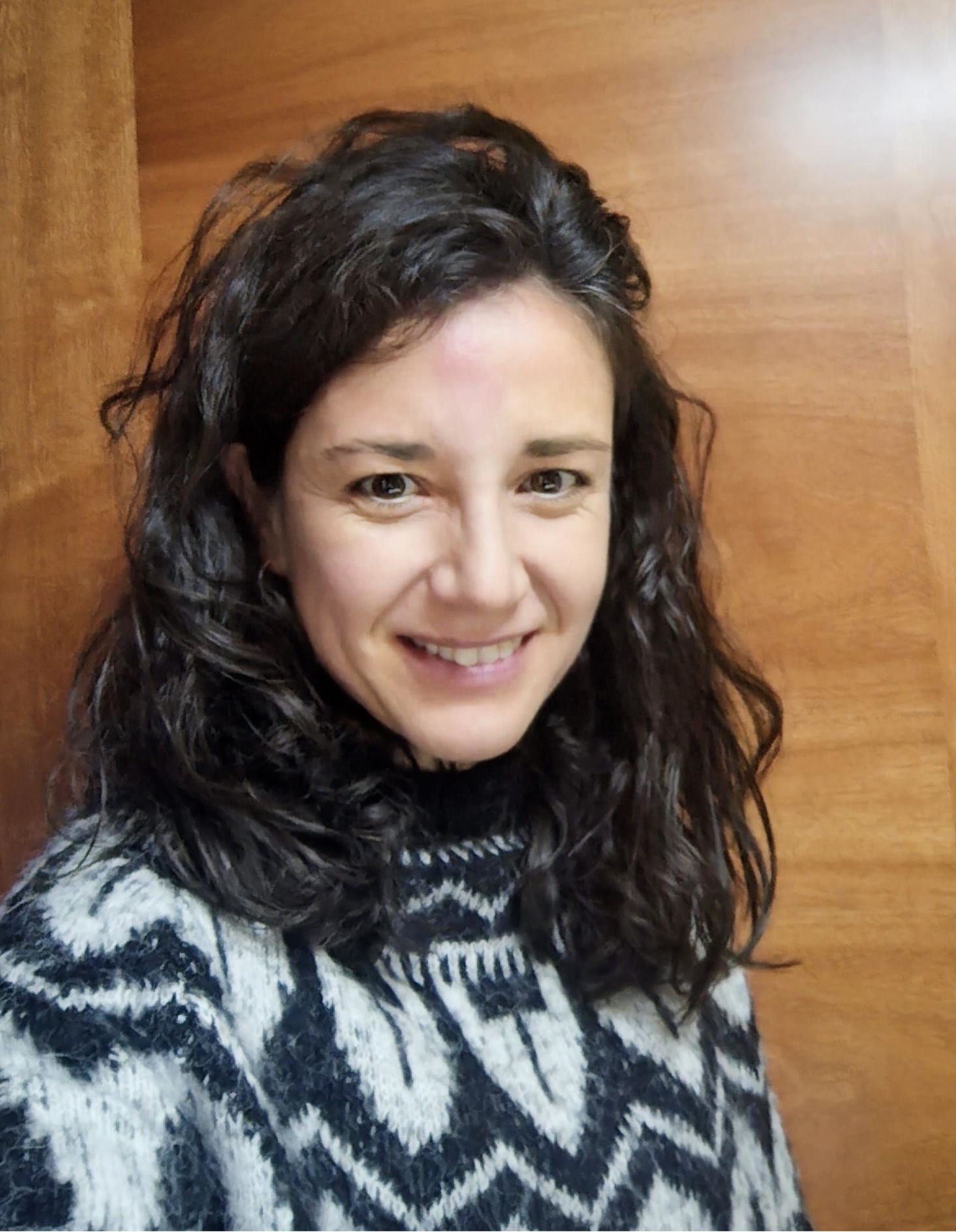
Marina Elias
Associate Professor
Marina Elias holds a PhD in Sociology, specialising in educational inequalities, particularly those related to higher education, including student access, educational processes, and outcomes.
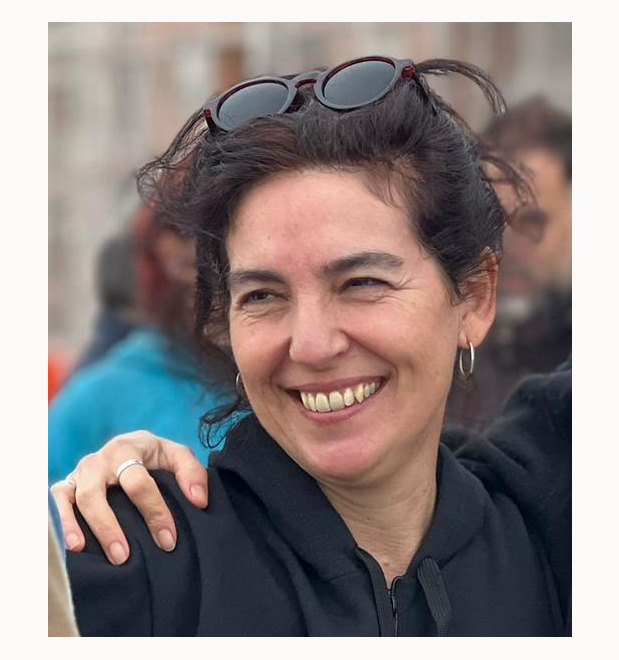
Valeria de Ormaechea
Assistant Professor
Valeria de Ormaechea has a PhD in intercultural education, and her research focuses on participatory processes and cooperative organisations. She is a member of the TRALS research group at the University of Barcelona, which focuses on educational and labour transitions. She is also part of the INTER research group at UNED, which specialises in intercultural education.
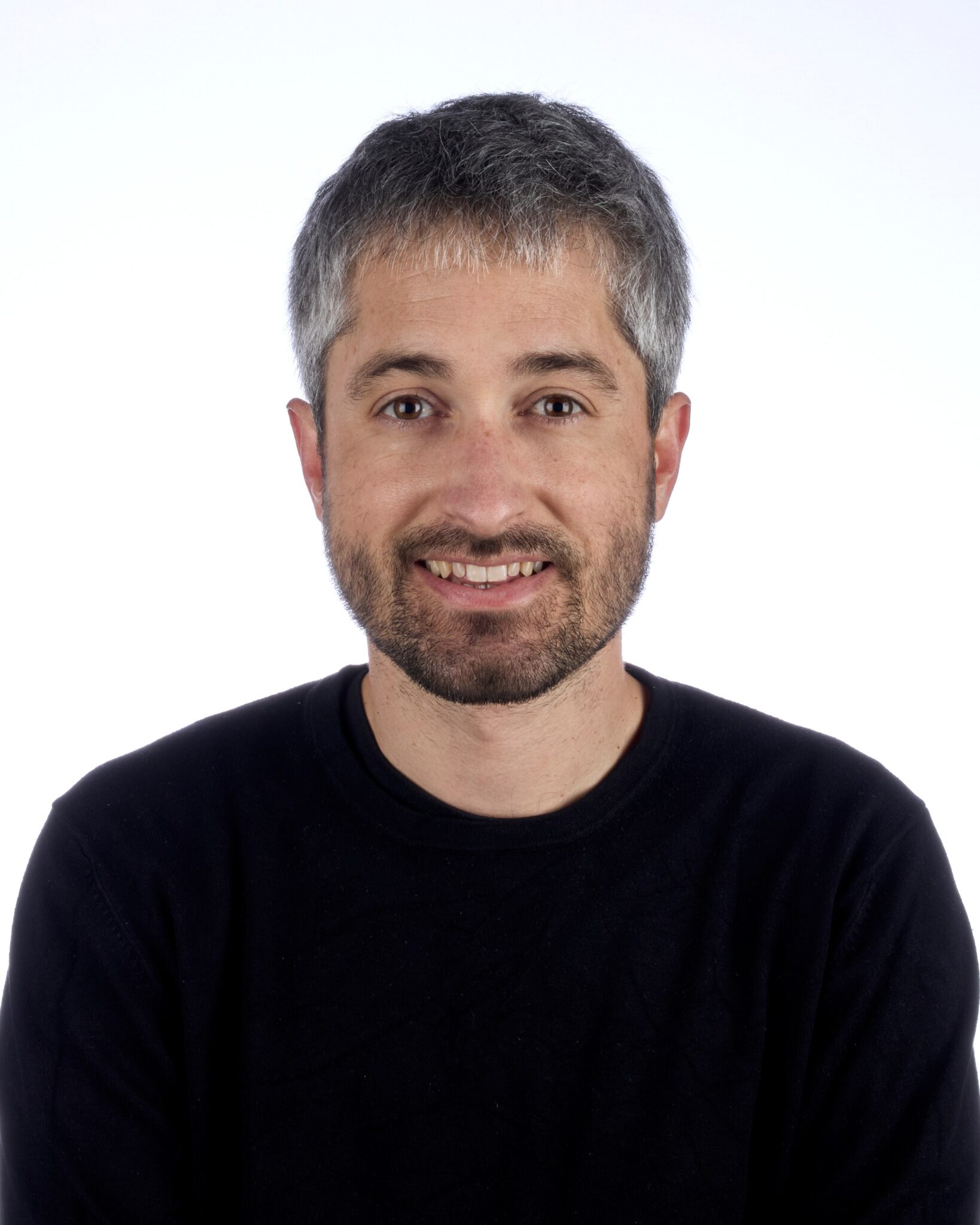
Lluís Parcerisa
Assistant Professor
Lluís Parcerisa holds a PhD in Sociology. His research focuses on the political sociology of education reform, the enactment and effects of data‑driven governance instruments and technologies in schools, education markets, and the analysis of the effects of public policies on socio‑educational inequalities.
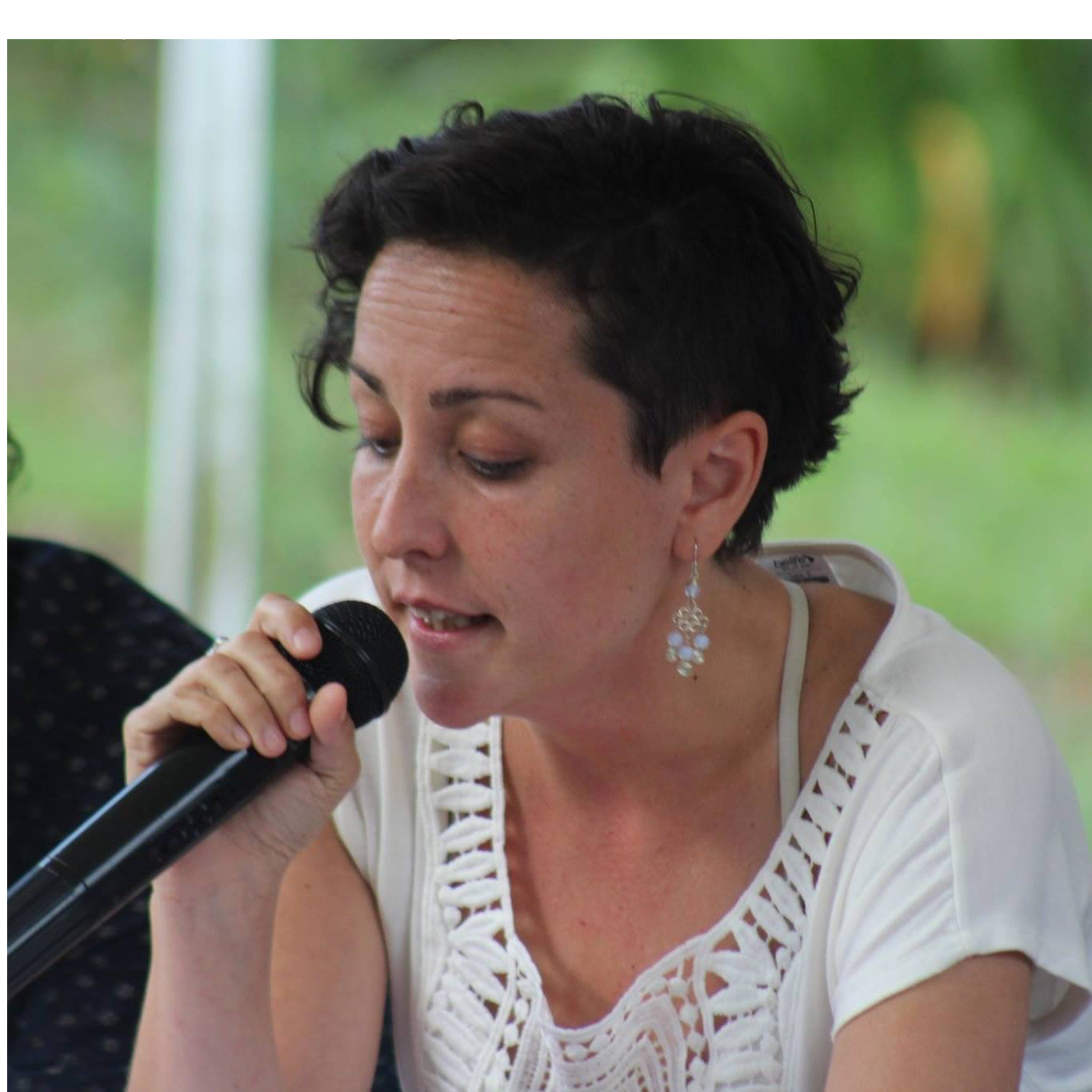
Noemí Duran Salvadó (PhD Arts and Education, UB, 2012) is an assistant professor in Theory and History of Education at the University of Barcelona. Her research explores the aesthetic dimension of education and its ethical-political implications, developing the methodology Rewriting between bodies. Since 2013, she has also taught and researched at the University of Antioquia (Diverser Group), in Colombia, bridging Southern epistemologies and Western academia.
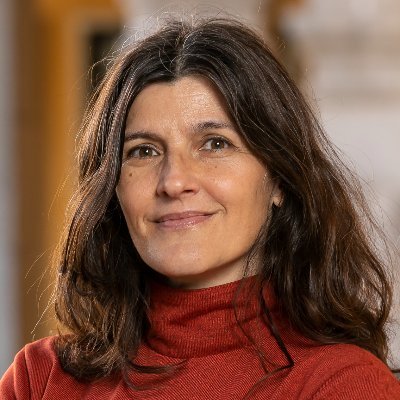
Mihaela Vancea
Assistant Professor
Mihaela Vancea is trained in Mathematics and Sociology (Babeș-Bolyai University), with master’s degrees in Sociology and Sociology of Law, and a PhD (2009) in Political and Social Sciences. She has worked as a researcher and lecturer across universities in Sweden, Spain, and Chile. Her research covers international migration, youth unemployment, entrepreneurship, sustainability, and governance, publishing in high-impact journals.
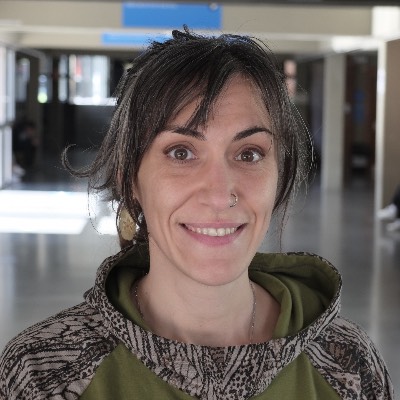
Karla Berrens is an interdisciplinary researcher working at the intersection of urban geography, sociology, sensory studies, and sound art. Her research has two main strands. The first focuses on urban sensory studies, approaching the city through interdisciplinary lenses. She specializes in hybrid research methodologies and sensory studies, with particular attention to space, place, and the cartographies of the senses. The second focuses on the sociology of education, with a special interest in diversity in learning and universal design for learning.